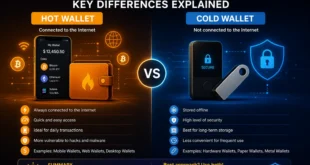
As cryptocurrency adoption continues to rise in 2026, protecting digital assets has never been more important. While exchanges and software wallets offer convenience, serious investors often choose hardware wallets for maximum security. Two names dominate the market: Ledger and Trezor.
Both brands are trusted worldwide, but they serve different types of users. In this comparison, we break down features, fees, security, ease of use, and which wallet wins in 2026.
What Are Ledger and Trezor?
Ledger is a France-based company known for sleek devices, Secure Element chips, Bluetooth connectivity, and strong mobile support. Its 2026 lineup includes the Nano X, Nano S Plus, Flex, Stax, and newer touchscreen devices.
Trezor, developed by SatoshiLabs, was one of the first hardware wallet brands. It focuses heavily on open-source firmware, privacy tools, and transparency. Popular models include the Safe 3, Safe 5, and legacy Model T.
Quick Comparison Table
| Feature | Ledger | Trezor |
|---|---|---|
| Security Chip | Secure Element | Open-source + Secure Element on newer models |
| Mobile App | Excellent | Improving |
| Bluetooth | Yes (many models) | Select newer models |
| Open Source | Partial | Strong focus |
| Ease of Use | Very user-friendly | Simple but technical |
| Coin Support | Very broad | Broad |
| Best For | Everyday users & traders | Privacy-focused users |
Security: Which Is Safer?
Both wallets are far safer than leaving crypto on exchanges.
Ledger Strengths:
- Secure Element chip designed to resist tampering
- Large ecosystem and regular updates
- Strong mobile security tools
Trezor Strengths:
- Open-source firmware that can be independently reviewed
- Transparent architecture
- Strong passphrase and privacy features
A recent report highlighted counterfeit hardware wallets sold through unofficial marketplaces, reinforcing the importance of buying only from official stores.
Winner: Tie
Ledger wins for hardware-grade chip security, while Trezor wins for transparency.
Ease of Use
Ledger offers one of the best user experiences through Ledger Live (now Ledger Wallet in some regions), with desktop and mobile support, staking, portfolio tracking, and easier onboarding.
Trezor offers Trezor Suite, which is clean and privacy-friendly, though more desktop-focused.
Winner: Ledger
Supported Coins
Ledger generally supports more cryptocurrencies, tokens, NFTs, and Web3 integrations.
Trezor supports major assets well, especially Bitcoin-focused users, but sometimes relies on third-party wallets for niche assets.
Winner: Ledger
Privacy
Trezor has long been favored by privacy-minded Bitcoin users due to Tor support, CoinJoin tools, and open-source trust model.
Winner: Trezor
Price & Value in 2026
Entry-level models from both brands remain affordable, while premium touchscreen devices cost more. If you only need Bitcoin cold storage, cheaper options from either brand can work well.
For active multi-chain users, Ledger often gives better ecosystem value.
Best Wallet by User Type
Choose Ledger If You Want:
- Best mobile experience
- Bluetooth convenience
- Broad altcoin/NFT support
- Beginner-friendly setup
Choose Trezor If You Want:
- Maximum transparency
- Open-source preference
- Strong privacy tools
- Bitcoin-first approach
Final Verdict: Which Hardware Wallet Wins in 2026?
There is no universal winner—but for most users in 2026, Ledger wins overall because of better usability, mobile support, and wider coin compatibility.
However, Trezor wins for privacy and open-source trust.
Final Score
- Ledger: 9.1/10
- Trezor: 8.8/10
If you are an everyday investor or trader, choose Ledger. If you prioritize transparency and privacy, choose Trezor.